Homemade Bouillabaisse
Homemade Bouillabaisse
A Classic French Seafood Stew from
There are certain dishes that instantly transport you to a place, and bouillabaisse does exactly that. Originally created by fishermen on the south coast of France, this iconic seafood stew was built around the freshest catch of the day, slowly cooked with aromatic vegetables, saffron, herbs, and rich fish stock.
At Winchester Cookery School, we love teaching dishes like this because it combines so many fundamental chef skills in one recipe — stock making, layering flavour, balancing acidity, gentle poaching, and understanding seafood cookery.
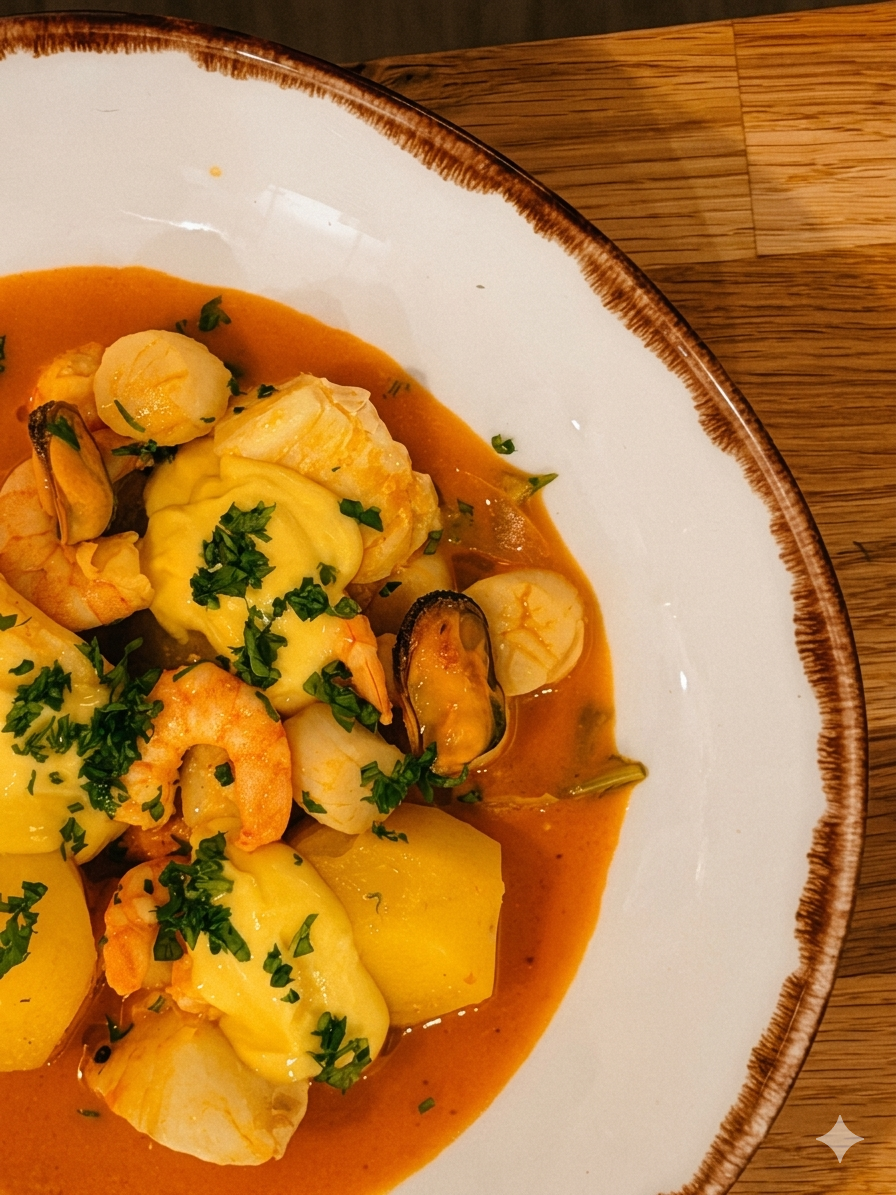
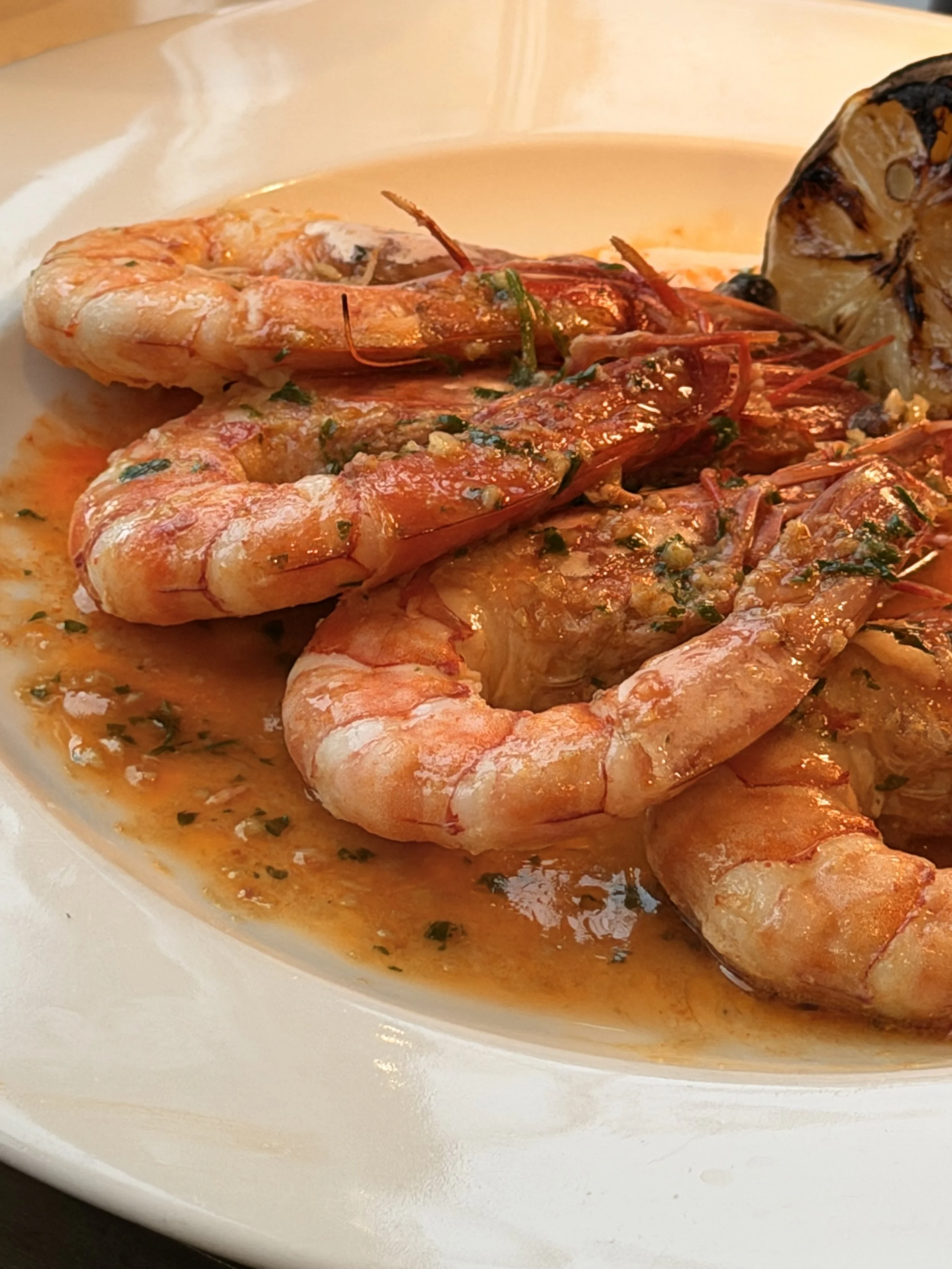
For our version, we used fresh seabream, prawns, scallops, and mussels, creating a bouillabaisse that feels luxurious whilst still staying true to the rustic soul of the original dish.
The base starts with slowly cooking leeks, celery, carrots, shallots, and garlic until sweet and fragrant. Fish bones are then added with tomatoes, herbs, saffron, and stock to create a deeply flavoured broth. Once simmered, the sauce is blended and passed until silky smooth before the seafood is gently poached directly in the soup.
Served alongside saffron new potatoes and braised fennel, this is the sort of dish that feels like restaurant cooking, but is absolutely achievable at home once you understand the process.
Homemade Bouillabaisse Recipe
Serves 4
Ingredients
For the bouillabaisse base
2 tbsp olive oil
1 leek, sliced
2 celery sticks, diced
1 carrot, diced
2 shallots, sliced
4 garlic cloves, sliced
4 ripe tomatoes, chopped
Fish bones from the seabream
1 litre fish stock
1 pinch saffron
2 bay leaves
Few sprigs thyme
Small bunch parsley stalks
Salt and black pepper
Seafood
2 seabream fillets, portioned
8 king prawns
8 scallops
500g mussels, cleaned
Saffron potatoes
400g new potatoes
Small pinch saffron
Knob of butter
Salt
Braised fennel
2 fennel bulbs, cut into wedges
1 small pinch saffron
250ml vegetable or fish stock
1 tbsp butter
Method
1. Build the flavour base
Heat the olive oil in a large pan and gently cook the leek, celery, carrot, shallots, and garlic for 10–15 minutes until softened and sweet. Avoid colouring too heavily — the goal is to slowly develop depth and sweetness.
Add the chopped tomatoes and cook down until rich and concentrated.
2. Make the bouillabaisse broth
Add the fish bones, saffron, thyme, bay leaves, parsley stalks, and fish stock.
Bring to a gentle simmer and cook for around 35–45 minutes, allowing the flavours to fully develop.
Blend the soup carefully until smooth, then pass through a fine sieve into a clean pan. Season to taste.
This step is what transforms the broth from rustic to refined — smooth, rich, and intensely flavoured.
3. Cook the saffron potatoes
Boil the new potatoes in salted water with a pinch of saffron until tender.
Drain and glaze with butter and a little seasoning.
4. Braise the fennel
Place the fennel wedges into a shallow pan with the stock, saffron, and butter.
Cover with baking paper or a lid and gently braise until tender but still holding shape.
5. Poach the seafood
Bring the bouillabaisse broth to a gentle simmer.
Add the mussels first and cook until they begin opening. Add the seabream, prawns, and scallops and gently poach for a few minutes until perfectly cooked.
The key here is control — seafood should be just cooked and delicate, never overworked.
6. Serve
Spoon the saffron potatoes and braised fennel into warm bowls.
Arrange the seafood carefully on top and ladle over the hot bouillabaisse broth.
Finish with fresh herbs, good olive oil, and crusty bread on the side.
Chef’s Notes
Bouillabaisse is one of the best examples of why understanding technique matters more than simply following recipes. The real flavour comes from layering — properly cooking the vegetables, extracting flavour from the fish bones, balancing saffron and acidity, and cooking the seafood gently.
It’s rustic food elevated through technique.
At Winchester Cookery School, these are exactly the sort of professional skills we teach in our seafood and French cooking masterclasses — helping home cooks learn how chefs build flavour in real kitchens.
Learn. Taste. Create.